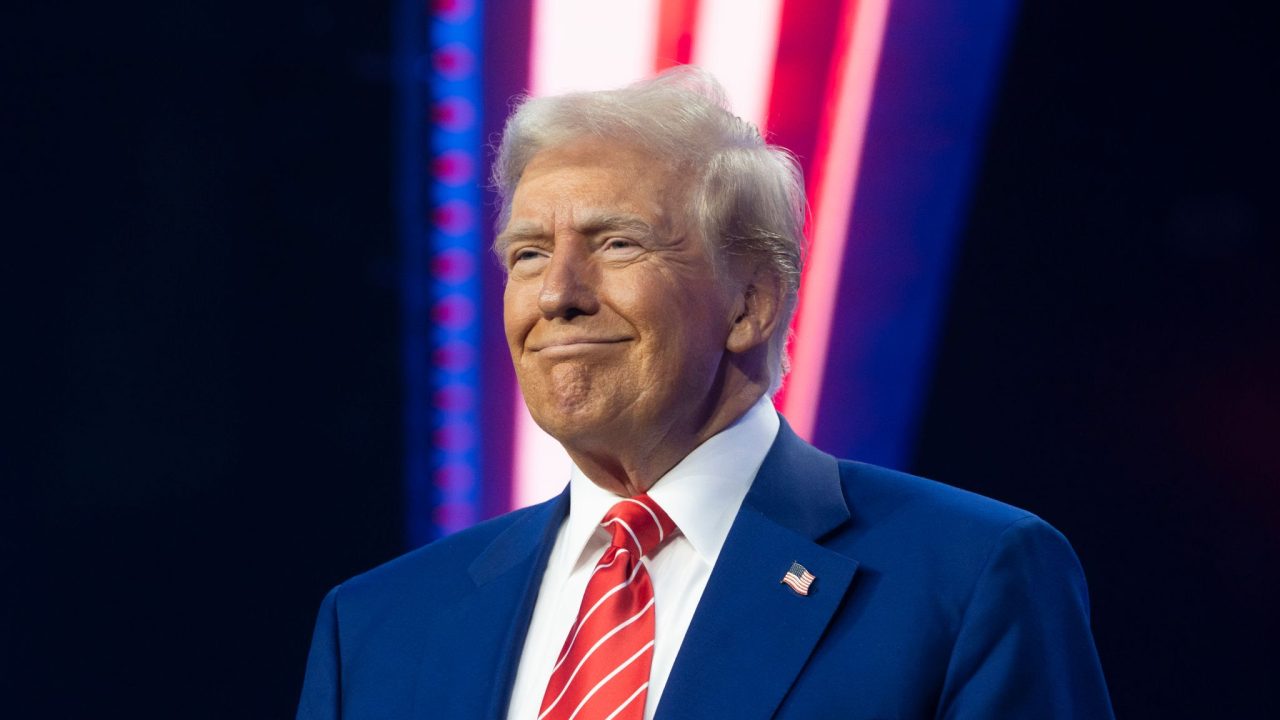
Donald Trump campaigned repeatedly on breaking Washington’s addiction to “forever wars,” mocking past administrations for squandering trillions in blood and treasure across the Middle East. Yet his current military campaign against Iran exposes that posture as theater. Instead of a masterclass in deterrence, the confrontation has devolved into an aimless, counterproductive quagmire—a war devoid of a coherent end state, devastating to American interests, and fundamentally foolish in its strategic logic.
The Absence of a Viable End State
The foundational mistake of the administration’s strategy is mistaking tactical escalation for grand strategy. Launching strikes and destroying infrastructure does not equal a doctrine.
- No Regime Replacement Plan: If the underlying objective is regime change, Washington has demonstrated zero credible plan for what follows. Decades of recent history in Iraq and Libya prove that decapitating or paralyzing a central authority in the region unleashes factional warfare, humanitarian catastrophe, and power vacuums that extremist networks readily exploit.
- Coercion That Fails to Coerce: If the objective is forcing Tehran back to the negotiating table on Washington’s unilateral terms, military attacks have historically produced the exact opposite outcome. Rather than capitulating, the Iranian state responds by fortifying hardliners, rallying nationalist sentiment around external aggression, and intensifying asymmetric resistance across regional chokepoints.
Economic Self-Sabotage and Domestic Fallout
A hallmark of Trump’s rhetoric has long been protecting the American consumer and shielding the domestic economy from foreign disruptions. Yet a direct conflict in the Persian Gulf directly strikes the jugular of global trade.
- Energy Market Chaos: Disruption along the Strait of Hormuz immediately drives up shipping insurance, snarls supply chains, and spikes global crude prices. The resulting inflation hits working-class Americans directly at the gas pump and grocery checkout.
- The “Price to Pay” Fallacy: Suggesting that skyrocketing inflation, massive defense expenditures, and domestic disruption are trivial costs dismisses the daily realities of citizens at home. Squandering hundreds of billions of dollars on another open-ended Middle Eastern campaign drains resources urgently needed for domestic renewal, border enforcement, and infrastructure.
Strategic Distraction from Actual Priorities
The modern geopolitical landscape does not permit endless strategic diversions. Every dollar, carrier strike group, and intelligence asset tied down in a war of attrition with Iran is an asset diverted from the United States’ actual core geopolitical challenges:
- Emboldening Major Competitors: Prolonged engagement in Iran provides strategic breathing room to China and Russia, tying American diplomacy and military bandwidth to a regional conflict with limited upside.
- Alienating Crucial Partners: Unilateral military adventures conducted without durable regional consensus or international backing alienate key allies, strain intelligence sharing, and expose Gulf partners to devastating asymmetric retaliatory strikes they never asked to absorb.
A coherent foreign policy requires a balance between national interests, military means, and achievable political outcomes. Trump’s war on Iran possesses none of these. It trades long-term regional stability and domestic economic security for theatrical displays of force that achieve neither surrender nor peace. Entering an avoidable conflict without an exit ramp is not strength; it is the most predictable, self-inflicted strategic mistake a superpower can make.

Leave a Reply
You must be logged in to post a comment.