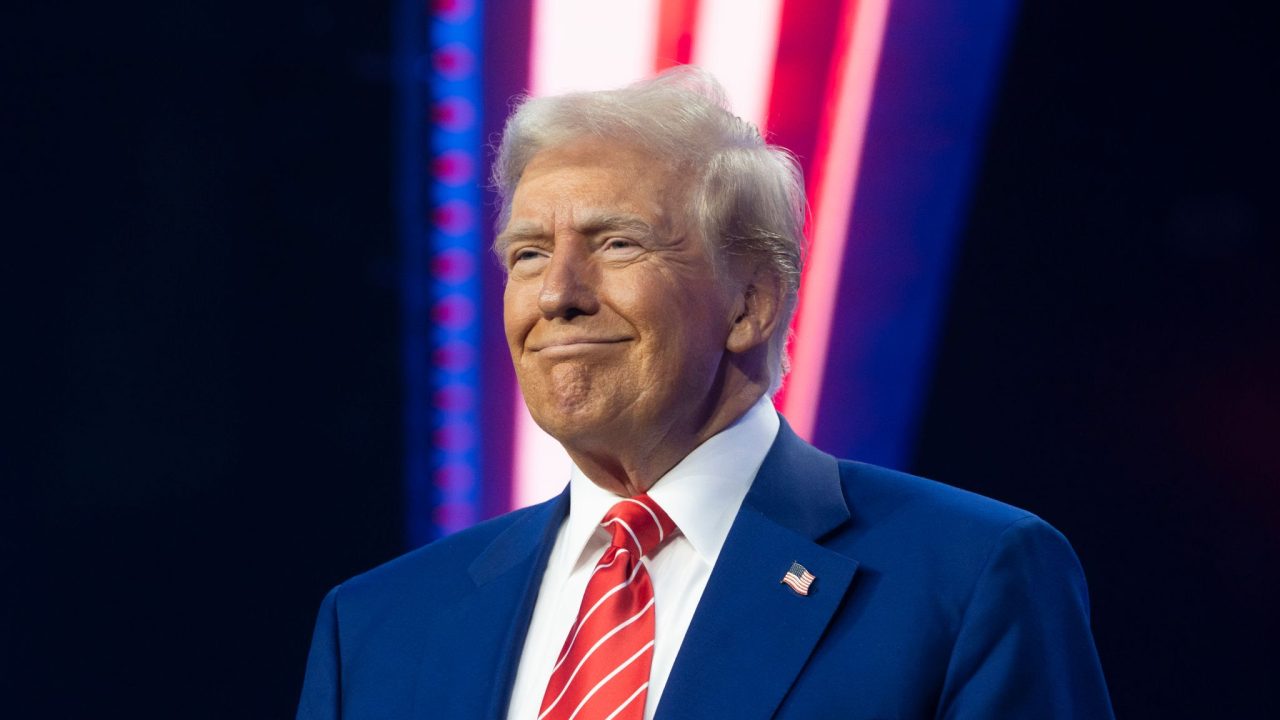
Donald Trump built his political identity on a populist economic pitch: reviving domestic industry, defending working-class families, and making life affordable for ordinary citizens. Yet looking past the rally speeches and into kitchen-table realities, his economic agenda has operated as an indirect, compounding squeeze on household budgets. Between sweeping import levies passed on to consumers, regressive tax frameworks, and reckless debt expansion, the gap between the rhetoric of prosperity and the reality of the American pocketbook has never been wider.
The Hidden Sales Tax of Blanket Tariffs
The centerpiece of Trump’s economic playbook—sweeping, aggressive tariffs—has consistently functioned not as a penalty paid by foreign exporters, but as an across-the-board consumption tax paid by American consumers:
- Direct Household Squeeze: Analysis from the Tax Foundation indicates that tariffs function as a direct drag on household incomes, raising consumer costs by hundreds to over a thousand dollars per family annually as companies pass import duties directly downstream.
- Everyday Goods Bear the Burden: Tariffs hit items that working families cannot simply opt out of: clothing, appliances, electronics, auto parts, and shelf-stable foods. By artificially raising the cost of imported components, domestic producers frequently raise their own prices in lockstep, eliminating price competition.
- Supply Chain Whiplash: Unpredictable trade policy forces small and mid-sized businesses to scramble for substitute materials, absorbing legal fees, freight re-routing costs, and emergency supplier markups—all of which end up itemized on the final retail receipt.
Upward Redistribution and Eroding Leverage
While everyday purchases grew more expensive, the structural tax relief enacted during the Trump administration did little to offset daily inflationary pressures for working- and middle-class households:
- Top-Heavy Windfalls: The bulk of benefits from corporate rate reductions and capital gains adjustments flowed directly to large corporations, institutional investors, and top-tier income earners. Instead of triggering a sustained surge in domestic capital equipment investment or lasting wage growth, windfalls largely fueled stock buybacks and executive bonuses.
- Marginal Gains Swallowed by Expenses: Modest individual tax adjustments for wage earners were quickly erased by rising health insurance premiums, higher utility costs, and stubborn retail inflation.
- Undermining Worker Protections: Policy rollbacks targeting federal overtime eligibility, workplace safety enforcement, and collective bargaining rights eroded the leverage ordinary employees rely on to negotiate wages that outpace the cost of living.
Deficits, Interest Rates, and Household Borrowing
Fiscal responsibility was completely abandoned in pursuit of supply-side stimulus, driving long-term federal deficits to historic highs:
| Financial Pressure Point | Policy Driver | Impact on Everyday Budgets |
| Credit Card Debt | Persistent elevated borrowing costs driven by high federal debt issuance. | Minimum monthly payments climb as revolving interest rates hover at record peaks. |
| Auto Financing | Supply friction, tariffed parts, and tighter credit standards. | Average monthly car payments push beyond what entry-level workers can sustain. |
| Housing Unaffordability | Sticky mortgage rates influenced by massive Treasury borrowing needs. | First-time buyers remain locked out of homeownership; rents remain stubbornly elevated. |
Touting protectionism and corporate tax cuts makes for sharp political theater, but it does not lower the price of milk, soften child-care costs, or make monthly mortgage payments manageable. By choosing policies that tax consumption, starve public investment, and inflate borrowing costs, Trump’s economic framework delivered the worst possible outcome for working Americans: stagnant purchasing power paired with an inescapable daily toll at the register.

Leave a Reply
You must be logged in to post a comment.